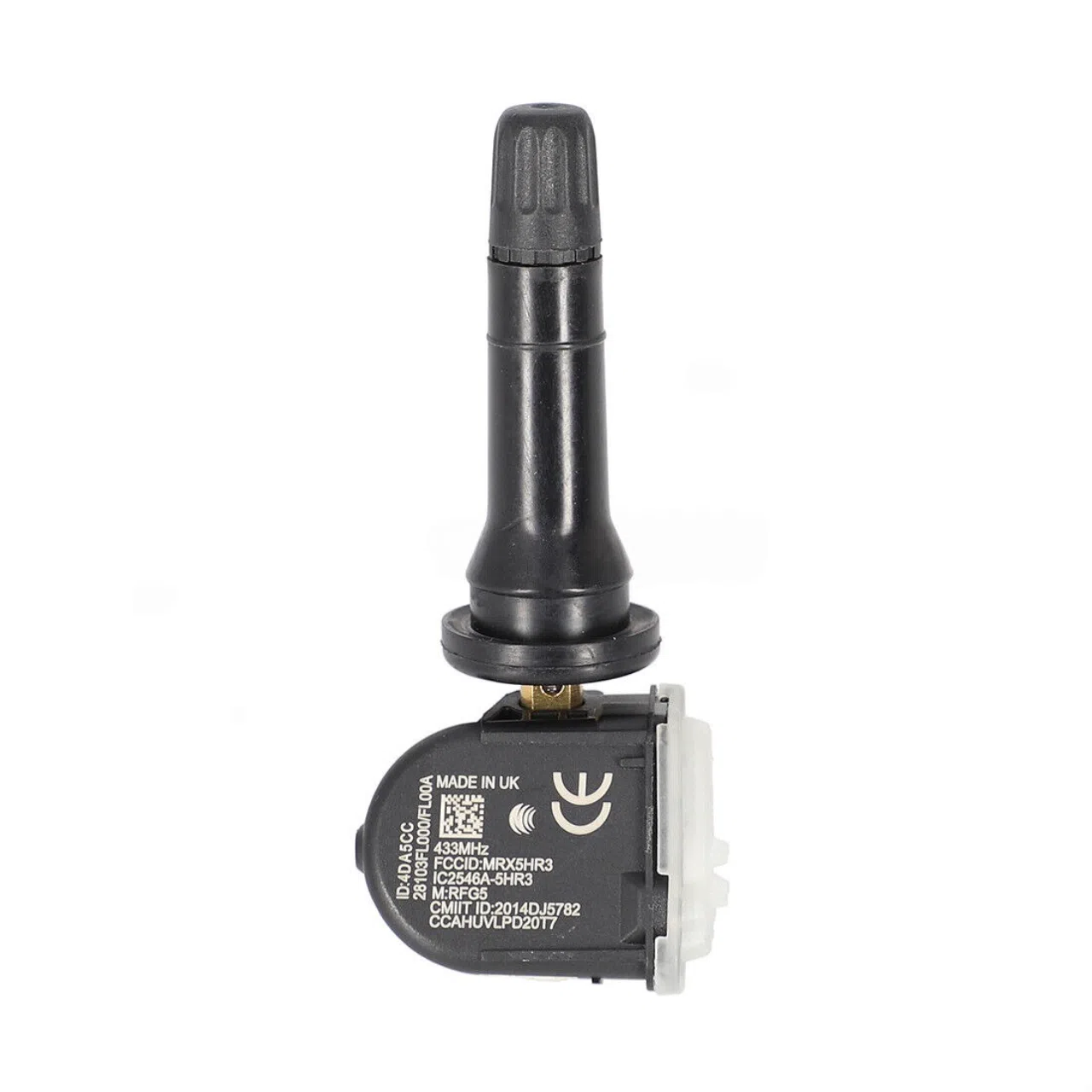
Compare Automate sensors, OE genuine sensors, other aftermarket TPMS options, and very cheap online marketplace sensors side by side — covering programming, compatibility, support, component quality, and long-term value.
Pre-programmed before dispatch where applicable
Australian-based support from MyTPMS
DIY and workshop-friendly solutions
Lifetime warranty on Automate sensors
Side-by-Side Comparison
Automate vs OE Genuine vs Aftermarket vs Very Cheap Online Listings
This comparison helps customers understand the main differences between TPMS sensor options available in Australia, including the risks of very cheap online marketplace sensors.
↔Swipe or scroll horizontally to compare all four sensor types.
OE Genuine SensorVehicle-specific original equipment style sensor
Other Aftermarket SensorThird-party replacement option
Very Cheap Online SensorOnline listing where internal specifications may be unclear
Chip Technology
NXP Chip — Made in USA
OEM supplier specification
Varies by manufacturer
Chip specification may be unclear
Battery
Maxell — Made in Japan
OEM specification battery
Battery specification varies
Battery brand and lifespan may be unclear
Frequency Coverage
13.56 / 315 / 433 / 434 MHz
Vehicle specific
Varies by model
May not match AU vehicle requirements
Programming Method
Bluetooth app-based programming
Dealer tool generally required
Programming method varies by supplier and tool
May be harder to program or verify
Pre-Configured Before Dispatch
Available where applicable
Vehicle-specific and usually locked to application
Often requires dedicated programming tools
Often limited fitment information
Installation Path
Fit and drive or OBD programming depending on vehicle
Usually requires dealer-level setup
Depends on sensor and vehicle system
Can add fitting costs if incorrect
Vehicle Coverage
Wide coverage across most makes and models
Vehicle-specific part matching
Coverage varies by brand and application
Coverage claims should be checked carefully
Battery Life
Designed for long service life, typically 5+ years
OEM lifespan varies by application
Varies depending on battery type and usage
Battery life may be inconsistent
Component Quality
High-grade aluminium valve and internal components
OEM factory standard
Often supplied with rubber stem valves
Component quality can vary greatly
Ease of Setup
Designed for DIY users and workshops
Often requires dealership tools or OEM procedures
Setup experience varies
Setup support is often limited
Support
Australian-based phone and Melbourne in-store support
Dealer support
Varies by supplier, often overseas-based
Usually marketplace seller support only
Warranty
Lifetime Warranty
OEM warranty varies — usually 12 or 24 months
Warranty terms vary by supplier
Warranty may be unclear or hard to claim
Best Suited For
DIY users and professional workshops wanting flexibility and value
Customers wanting genuine model-specific replacement parts
Mixed workshop or aftermarket applications
Not ideal when reliability matters
Specifications, component origin, compatibility, warranty, and programming requirements may vary depending on vehicle, supplier information, and production batch. Do not choose TPMS sensors on price alone. Always confirm fitment, programming method, warranty, and support before purchase.
TPMS Explained
What Is a TPMS Sensor?
A TPMS sensor, or Tyre Pressure Monitoring System sensor, is fitted inside the wheel to monitor tyre pressure in real time. When tyre pressure drops below the recommended level, the system alerts the driver through the dashboard warning light or vehicle information display.
TPMS sensors help improve road safety, reduce uneven tyre wear, and support better fuel efficiency. They are now common across a wide range of modern vehicles and often need to be replaced when the internal battery reaches the end of its service life.
When replacing sensors, it is important to choose the correct type for the vehicle and understand whether the system requires automatic relearn, OBD programming, or cloning.
Understanding the Difference
Automate, OE Genuine & Aftermarket Compared
OE genuine TPMS sensors are typically matched to a specific vehicle application and supplied through dealership or original equipment channels. They are often the most direct replacement option for customers who want a genuine-style part.
Other aftermarket sensors are produced by third-party manufacturers and can vary in compatibility, programming method, support, and overall specification.
Automate sensors are designed to offer broad vehicle coverage, flexible programming options, and local support. For many customers, they provide a practical balance between ease of use, strong feature support, and cost-effectiveness.
Which TPMS Sensor Is Right for Your Vehicle?
The best TPMS sensor for your vehicle depends on the make, model, year, and how the vehicle registers new sensors. Some cars can learn new sensors automatically after driving. Others need the sensor ID written into the ECU through an OBD programming tool, while some applications are best handled by cloning the original sensor data.
If you are unsure which path your vehicle requires, the safest approach is to confirm fitment before ordering. This helps avoid warning lights staying on after installation and reduces the chance of buying the wrong sensor type for your vehicle.
At MyTPMS, we help customers choose the correct TPMS solution based on real-world vehicle requirements, not just part numbers alone.
Common Questions
Frequently Asked Questions
Do TPMS sensors need to be programmed?
In many vehicles, yes. TPMS sensors often need to be programmed, relearned, or cloned so the vehicle can recognise them correctly. The exact method depends on the vehicle system.
Can I replace TPMS sensors myself?
The sensor sits inside the tyre, so the tyre must be removed from the wheel for installation. After installation, the vehicle may also require a relearn or programming procedure before the TPMS light turns off.
Why is my TPMS light still on after replacing sensors?
This usually happens when the new sensors have not been correctly programmed to the vehicle, the relearn process has not been completed, or the wrong protocol has been used for that application.
How long do TPMS sensors last?
Most TPMS sensors are designed to last several years. In many cases, service life falls in the 5 to 10 year range depending on battery quality, driving conditions, and usage.
Are very cheap TPMS sensors from online marketplaces worth using?
We do not recommend choosing TPMS sensors based on price alone. Cheap marketplace sensors may use lower-grade chips, cheaper batteries, incorrect protocols, and unclear vehicle compatibility. If they fail or do not program correctly, the tyre fitting cost can be higher than the money saved.
Are aftermarket TPMS sensors reliable?
They can be, but compatibility and performance vary between manufacturers. The key is choosing a properly matched sensor and using the correct programming method for the vehicle.
Are genuine sensors always the best option?
Genuine sensors are often a strong option for direct vehicle-specific replacement. However, many customers prefer a programmable sensor solution when they want broader flexibility, easier support, or better overall value.
Australian TPMS Specialists
Need Help Choosing the Right TPMS Sensor?
Our team can help you identify the correct TPMS sensor for your vehicle and explain whether your car requires self-learn, OBD programming, or cloning — so you order the right solution the first time.