Free Express Shipping Australia-Wide | Save 10% Storewide* Use code: 10OFF
sales@mytpms.com.au
Select your vehicle to find compatible tyre pressure sensors
Subaru TPMS Guide

SUBARU TPMS SENSORS, PROGRAMMING & RELEARN GUIDE

Need new Subaru tyre pressure sensors? In most cases, fitting sensors is only part of the job. Your new TPMS sensors usually need to be activated, programmed, cloned, or registered correctly before the vehicle will recognise them properly.

That is why we strongly recommend using the AUTOMATE Bluetooth Programmer or the correct Subaru-compatible TPMS tool to complete the job properly the first time.

Vehicle Finder

Select Your Subaru to Find Compatible Tyre Pressure Sensors

Use the selector below to help customers choose the correct Subaru TPMS sensors and programming solution.

New Sensors Still Need Setup

Buying the correct TPMS sensors is important, but many Subaru vehicles still need the sensors to be activated or programmed correctly before the warning light will go out.

Not Just Fit and Drive

A lot of customers assume TPMS sensors are simply installed and ready to go. In reality, many Subaru TPMS systems require the correct sensor protocol and proper setup before the car will communicate with them.

Use the Right Tool

The safest way to avoid compatibility issues, warning lights, and failed installs is to use a proper Subaru-compatible TPMS programming tool.

Vehicle Coverage

Current and Popular Subaru Models

We support a wide range of Subaru vehicles, including current Australian model lines and popular earlier models.

CrosstrekCurrent range
ForesterCurrent range
OutbackCurrent range
ImprezaCurrent range
WRXCurrent range
BRZCurrent range
SolterraCurrent range
LibertyPopular earlier model
LevorgPopular earlier model
XVPopular earlier model
TribecaPopular earlier model
Why Customers Get Stuck

Why Your Subaru TPMS Light May Stay On

Even after fitting brand-new sensors, the TPMS light can stay on for several common reasons.

  • The new sensors have not been programmed to the correct Subaru protocol
  • The vehicle has not completed the correct relearn or registration process
  • The sensors were installed, but not activated properly
  • The wrong sensor type or frequency was selected
  • A workshop fitted the sensors but did not finish the programming process
Bottom line: Subaru TPMS is often not just about replacing the hardware. It is about making sure the vehicle and sensors are correctly matched and programmed.
Recommended Solution

Why We Recommend Our Subaru TPMS Tool

If you want to avoid guesswork and get the job done properly, we strongly recommend purchasing our AUTOMATE Bluetooth Programmer or Subaru-compatible TPMS programming tool.

  • Helps activate and prepare sensors correctly
  • Reduces the risk of fitting sensors that the car will not recognise
  • Makes setup easier for DIY customers and workshops
  • Can save time, labour, and repeat fitting costs
  • Gives you a much better chance of a successful Subaru TPMS installation

Best Result? Buy the Sensors and the Tool Together.

The most reliable way to get your Subaru TPMS working properly is to purchase the correct sensors plus the correct programming tool at the same time.

Shop Subaru TPMS Tool
How It Works

Typical Subaru TPMS Setup Process

While exact steps can vary by model and year, this is the usual process customers need to follow.

  1. Select the correct Subaru TPMS sensors for your exact model and year.
  2. Install the sensors correctly into the wheels.
  3. Set all tyres to the correct placard pressure.
  4. Use the correct TPMS programming or activation tool.
  5. Register, activate, or relearn the sensors as required by the vehicle.
  6. Drive the car if needed so the TPMS system can complete communication with the new sensors.
Need Help?

Get Help Choosing the Right Subaru TPMS Setup

If you are not sure which Subaru TPMS sensors or programming tool you need, contact MyTPMS for expert support. We can help you choose the correct setup for your model, year, and installation method.

Our Product Range

Looking for TPMS sensors or diagnostic tools?

OE-quality TPMS sensors and advanced programming solutions — precision-engineered for broad vehicle compatibility. Review specifications prior to selection to ensure correct fitment.

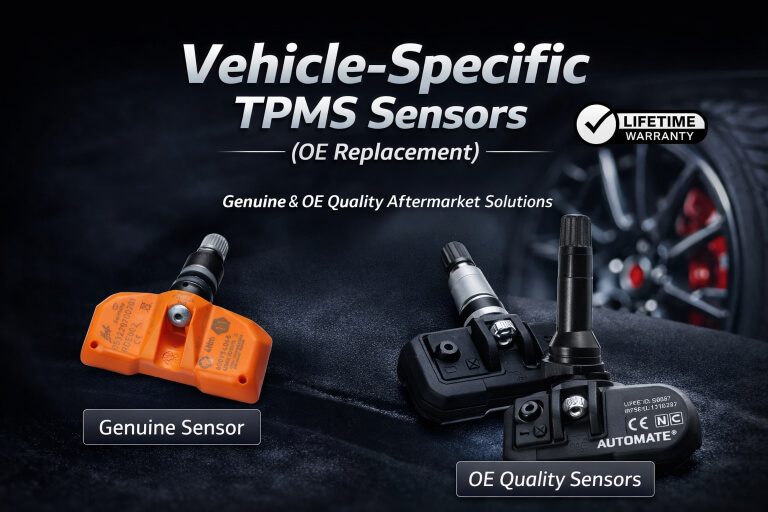
Vehicle-specific OE replacement TPMS sensors

Vehicle-Specific TPMS Sensors

Direct-fit sensors designed to match original equipment specifications for specific vehicles and model years. Ideal for replacing failed sensors or fitting new wheels while maintaining factory look and function.

OE Replacement
Programmable universal TPMS sensors — NFC or tool programming

Programmable / Universal TPMS Sensors

Multi-vehicle programmable sensors configured to suit a wide range of vehicles using a compatible TPMS tool or your phone's NFC wireless technology. A flexible solution that reduces stock requirements and supports multiple makes and models.

NFC or Tool Programming
Professional TPMS programming and diagnostic tools

TPMS Programming & Diagnostic Tools

Professional TPMS tools used to program, relearn, activate, or diagnose tyre pressure sensors after installation. Required for vehicles that do not support automatic relearn procedures.

Workshops & Tyre Shops
TPMS master kits and DIY bundles including sensors, tools and interfaces

TPMS Master Kits & DIY Bundles

Complete TPMS kits including sensors, programming tools, and required interfaces. Designed for cost-effective DIY installation with guided support and long-term value.

Home Users & Enthusiasts
TPMS cloning solutions for second wheel sets and seasonal tyre changes

TPMS Cloning & Second Wheel Set Solutions

TPMS solutions that allow existing sensor IDs to be cloned, enabling seamless use across multiple wheel sets without repeated relearning. Ideal for seasonal wheel changes, track wheels, and spare wheel sets.
Seasonal & Track Wheels
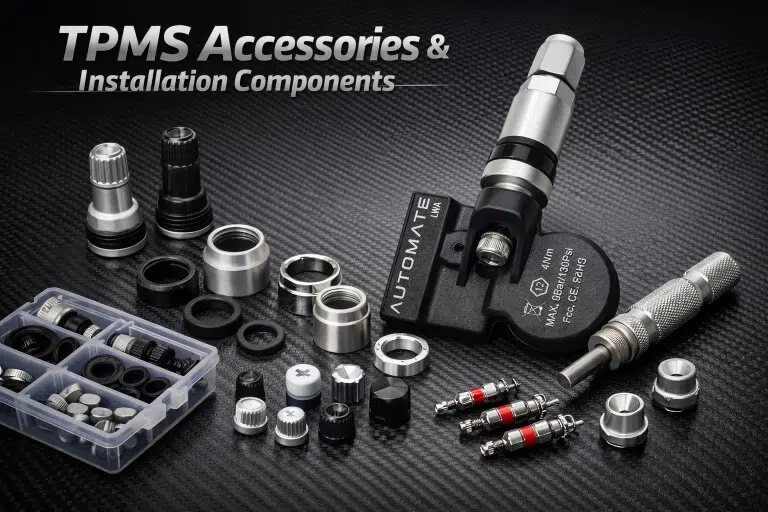
TPMS accessories and installation components including valve stems and seal kits Coming Soon

TPMS Accessories & Installation Components

Essential hardware and service items to support TPMS installation and maintenance — including valve stems, seal kits, mounting hardware, replacement caps and nuts.

Professional Installations
0